

Egg quality plays a major role in fertility and pregnancy success. Many women trying to conceive focus on timing ovulation, but egg health also influences whether fertilization and healthy embryo development occur. Understanding how egg quality changes with age can help couples make informed decisions while planning for pregnancy.
Although age affects fertility, it does not mean pregnancy becomes impossible. Many factors influence reproductive health, including lifestyle habits, genetics, and overall wellness. Learning about egg quality and fertility can help people better understand their bodies and reproductive timeline.
What Is Egg Quality
 Egg quality refers to the genetic health and viability of a woman’s eggs. A healthy egg contains the correct number of chromosomes and can develop into a healthy embryo after fertilization.
When egg quality is strong, fertilization may occur more easily and embryos may develop normally. Poor egg quality can make fertilization more difficult and may increase the likelihood of miscarriage or unsuccessful fertility treatments.
Egg quality cannot be seen directly without medical testing, but doctors may estimate reproductive health using hormone tests and ovarian reserve evaluations.
You can learn more about how reproductive health changes with age from the American College of Obstetricians and Gynecologists.
How Age Affects Egg Quality
Women are born with all the eggs they will have in their lifetime. As time passes, both the number and quality of those eggs gradually decline.
Fertility changes naturally over time because eggs age along with the body. This process affects chromosome stability and egg development.
Egg Quantity Declines Over Time
At birth, a female baby may have about one to two million eggs. By puberty, that number typically decreases to around 300,000 to 400,000. During reproductive years, only a small number of eggs are released through ovulation.
Over time, the remaining eggs continue to decrease.
Chromosomal Changes Increase With Age
As eggs age, the likelihood of chromosomal abnormalities increases. These changes may affect embryo development or pregnancy outcomes.
This is one reason fertility specialists often discuss reproductive planning with women in their mid 30s and beyond.
Factors That May Influence Egg Health
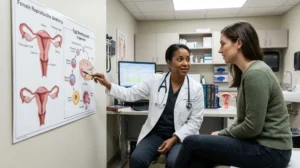 Age is one factor that affects egg quality, but other health and lifestyle factors may also play a role.
Lifestyle Habits
Daily habits may influence reproductive health. Nutrition, sleep patterns, and stress levels all contribute to overall wellness, which may affect fertility.
Smoking and excessive alcohol consumption may also impact egg health and reproductive hormones.
Hormone Balance
Hormones regulate ovulation and egg maturation. Imbalances in reproductive hormones may affect how eggs develop during the menstrual cycle.
Doctors sometimes use hormone testing to evaluate ovarian reserve and fertility potential.
Medical Conditions
Conditions such as polycystic ovary syndrome and endometriosis may influence fertility and egg development. Medical evaluation can help determine whether these conditions are affecting reproductive health.
The National Institute of Child Health and Human Development provides additional information about infertility causes and treatments.
Testing That Evaluates Egg Quality
Doctors may recommend fertility testing when couples have difficulty conceiving or want to understand reproductive health more clearly.
Ovarian Reserve Testing
Ovarian reserve tests measure hormone levels that reflect the remaining number of eggs in the ovaries. Common tests include AMH testing and follicle stimulating hormone levels.
These tests help fertility specialists estimate how the ovaries may respond during ovulation or fertility treatment.
Ultrasound Evaluation
Ultrasound imaging allows doctors to count small follicles in the ovaries. Each follicle contains an immature egg, which helps provide information about ovarian reserve.
Combining ultrasound results with hormone testing may give a clearer picture of reproductive health.
Supporting Reproductive Health While Trying to Conceive
 Although age-related fertility changes occur naturally, maintaining healthy habits may support reproductive wellness.
Balanced Nutrition
A balanced diet with fruits, vegetables, whole grains, and lean proteins supports overall health. Nutrients such as folate, iron, and antioxidants play important roles in reproductive health.
Regular Physical Activity
Moderate exercise helps support circulation, hormone balance, and general wellness. Maintaining a healthy body weight may also contribute to reproductive health.
Reducing Stress
Trying to conceive can be emotionally challenging. Stress management techniques such as meditation, journaling, or counseling may support mental wellness during the fertility journey.
When to Consider Fertility Guidance
Some couples choose to seek fertility evaluation after trying to conceive for several months without success. Age, health history, and menstrual patterns may influence when medical guidance is considered.
Healthcare providers may review reproductive history, conduct fertility tests, and discuss possible treatment options if needed.
Understanding Your Fertility Journey
Egg quality and age are important aspects of fertility, but they represent only one part of a complex reproductive process. Many couples successfully conceive even when facing fertility challenges.
Learning about reproductive health, maintaining healthy habits, and seeking medical advice when appropriate may help individuals feel more informed as they plan for pregnancy.
If you are currently trying to conceive, you may also want to read our guide on common mistakes to avoid when trying to get pregnant.